
One engine, four platforms
Everything we build sits on the same binary analysis core. One platform is in production today; three are in active development with our research partners
New era, new regulations, new technology. Software supply chain obligations now reach into compiled artefacts — not just the source you wrote
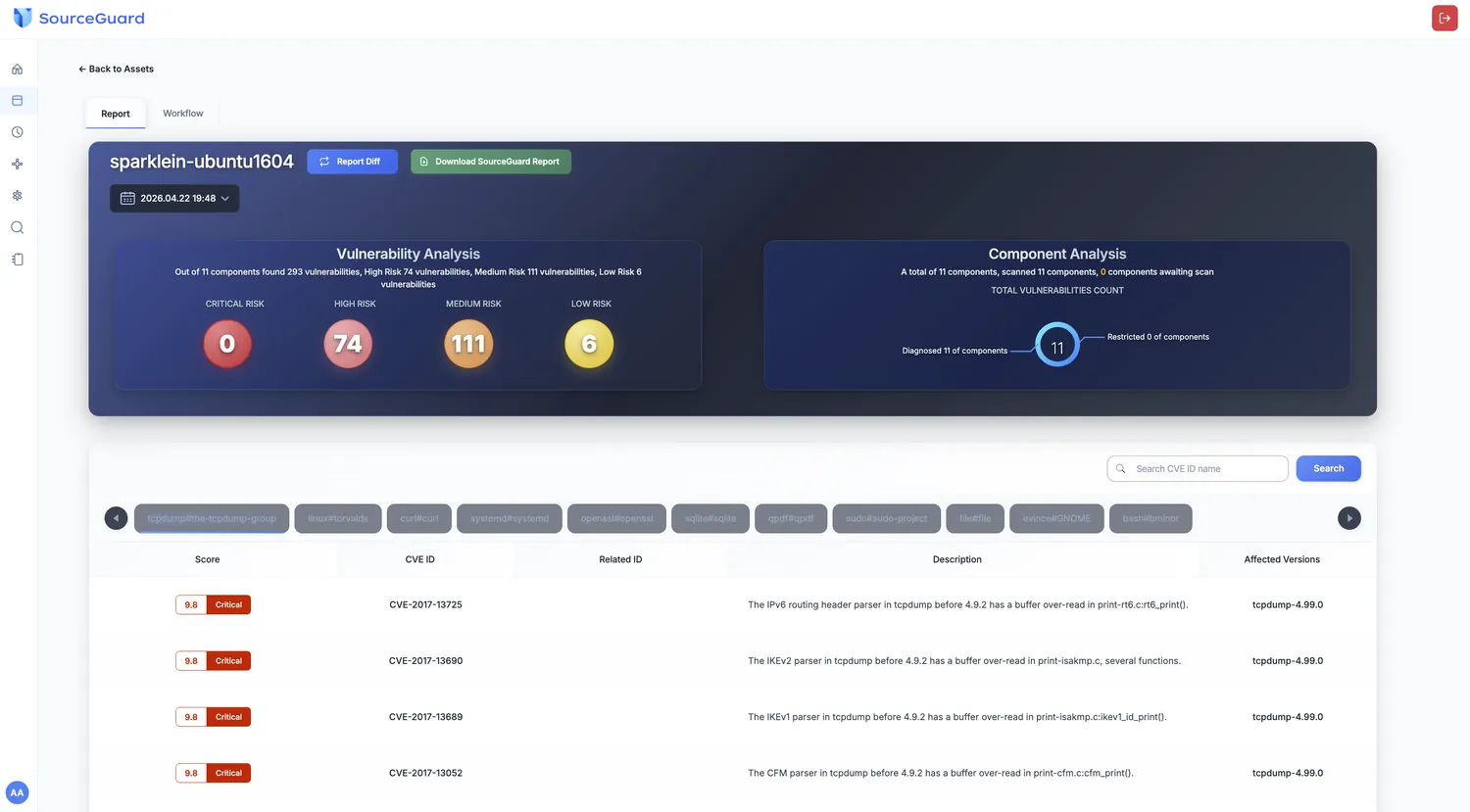
Vulnerability scan, cross-verification & management
A platform that scans, tracks and manages vulnerabilities across digital assets — servers, routers, gateways, switches — using a hybrid mechanism combining binary code dynamic scanning with proven conventional methodologies
The problem
Most scanners rely on static analysis. Without in-depth code analysis, accuracy suffers — which raises operating cost and leaves real threats undetected
What we add
Dynamic binary scanning inside a hybrid model, plus a workflow module so detected vulnerabilities are actually tracked to closure instead of re-discovered every quarter
AI+
In developmentAsk your risk data a question
Native MCP agent support, connected to your unified risk data — from infrastructure down to compiled binaries. No dashboard to dig through, no filters to configure
Instant answers
Natural-language access to vulnerability and risk data
Zero learning curve
No new tool to master — just conversation
Built on MCP
Designed to work natively with modern AI workflows
Example query
“What critical vulnerabilities did we find in the payment service this week?”
Answered directly, in seconds, from cross-verified findings
SBOM
In developmentA bill of materials derived from the binary itself
SBOM adoption depends on trust between parties exchanging component information. We generate ours through dynamic component analysis, so the list reflects what is actually inside the artefact — not what a manifest claims
The aim is to accelerate practical SBOM use in both information security and commercial due diligence, backed by our research in the same domain
AIOT
In developmentMonitoring for devices nobody can patch by hand
Cloud-delivered code security monitoring for IoT estates in government agencies, healthcare facilities and manufacturing plants, with supporting services for product development teams
The absence of scanning tools built for IoT is what makes it the largest single contributor to botnet capacity. This stage of the project lifts binary analysis from a tool into a monitored service